On the quiet power of a slow morning practice
Before the inbox, before the noise — a few breaths on the mat can reset the entire shape of a day.
AWAKYNN STUDIOMay 20266 min read
Before the inbox, before the noise — a few breaths on the mat can reset the entire shape of a day.
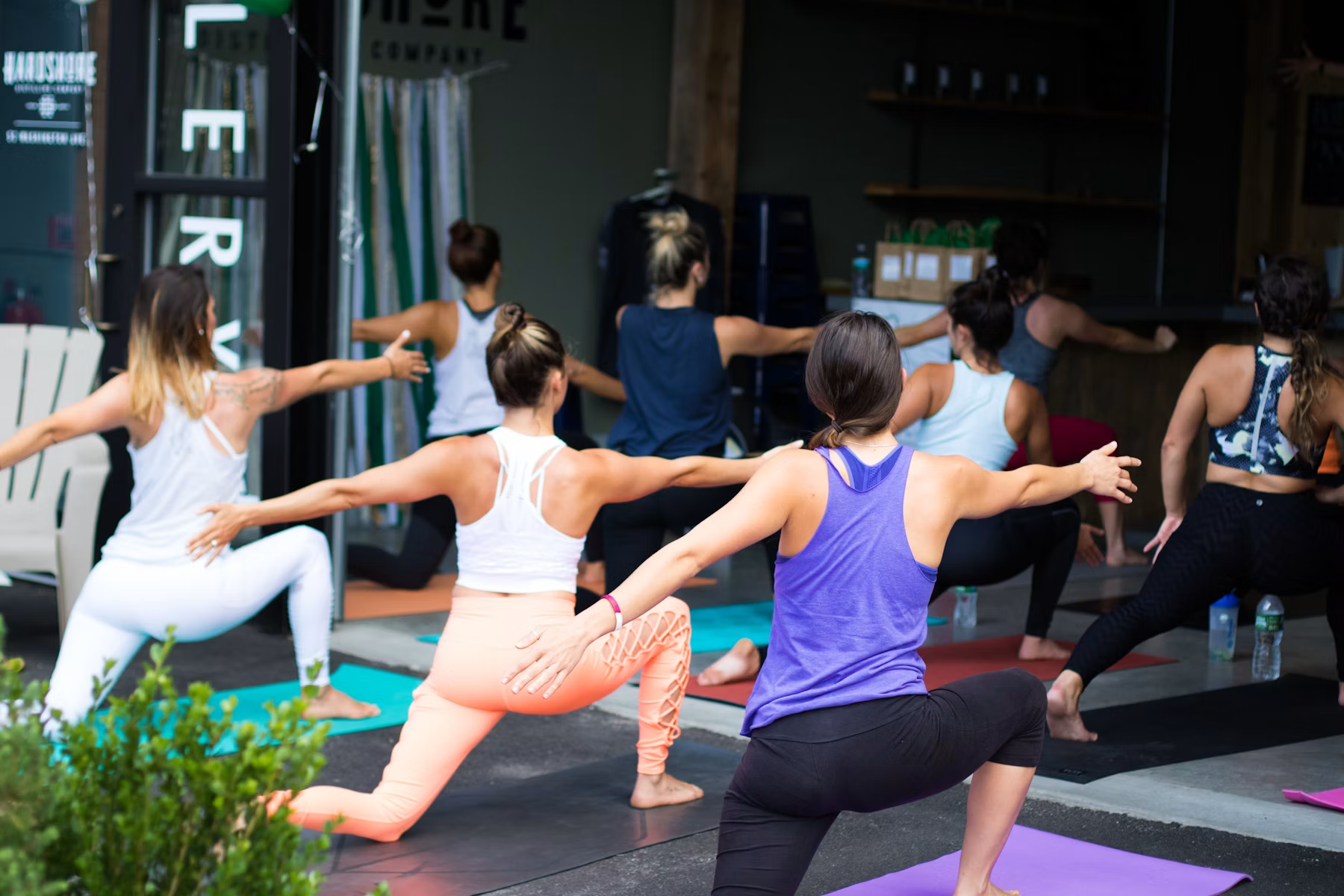
There is a particular quality to the first hour of the morning — soft, unclaimed, entirely your own. Most of us spend it reaching for a phone. But the body, freshly woken, is asking for something else: movement that listens rather than demands.
A slow morning practice is not about intensity. It is about arriving. The breath comes first — three deep inhalations, each one a small permission to be here. The spine follows, unravelling from wherever sleep left it. A forward fold. A gentle twist. Nothing performed, nothing rushed.
What happens in those first quiet asanas is largely invisible — a settling of the nervous system, a warmth returning to tissues that stiffened overnight, a gradual orientation of the mind toward the body it inhabits. By the time you stand at the end, the world has not changed. But you have.
The research is clear: morning movement — even fifteen minutes — lowers cortisol, sharpens attention, and improves emotional regulation through the hours ahead. But Awakynn's tradition reaches for a deeper logic than productivity. We practice in the morning because the morning is honest. There is no performance left in us. We meet the mat as we actually are.
Try this: tomorrow, before anything else, roll out your mat and simply breathe for two minutes. Do not count. Do not optimise. Let the breath be imperfect. Then let whatever movement wants to happen, happen. You may be surprised how little that is — and how enough it is.